Jay Elizondo is an artist whose work seduces viewers into visceral confrontations with her queer body. She has an MFA in Fine Arts at The School of Visual Arts and a BFA in Fine Arts from The Columbus College of Art & Design. Her work has been featured in exhibitions including: Idol Worship at Smack Mellon and The Unspeakable: A Dark Show in Brooklyn, NY, Satellite Art Show 2019 and 2018 in Miami, FL, and a solo exhibition, preMATURE in Columbus, OH. She curated You Remember How Lonely Everything Was in The Beginning at Please Don’t Come to This Show and Talented, Brilliant, Incredible, Amazing, Showstopping, Spectacular, Never The Same, Totally Unique, Completely Not Ever Been Done Before, Unafraid To Reference Or Not Reference, Put It In A Blender, Shit On It, Vomit On It, Eat It, Give Birth To It at SVA Chelsea Gallery in New York, NY. Elizondo has been a resident artist at The Chautauqua School of Art residency in Chautauqua, NY and at The New York Studio Residency Program in Brooklyn, NY. She is a recipient of The 2020 Edward Zutrau Memorial Award, The Jeff F Hilson Memorial Fund, The Edith Smilack Fund, and a nominee of The Association of Independent Colleges and Universities of Ohio Award 2018 Award for Excellence in the Visual Arts. Her work has been published in The Brooklyn Rail’s “Jason Elizondo with David Antonio Cruz,” Front Runner Magazine’s “Special Guest Post: Curator Emily Colucci’s Idol Worship,” Hiss Mag’s “Issue 3,” Elizondo is the co-founder of Please Don’t Come to This Show, an online project space that reflects on the complex relationship to online omnipresence and digital information through a tongue-in-cheek poetization of technotopia. She currently lives and works in New York.
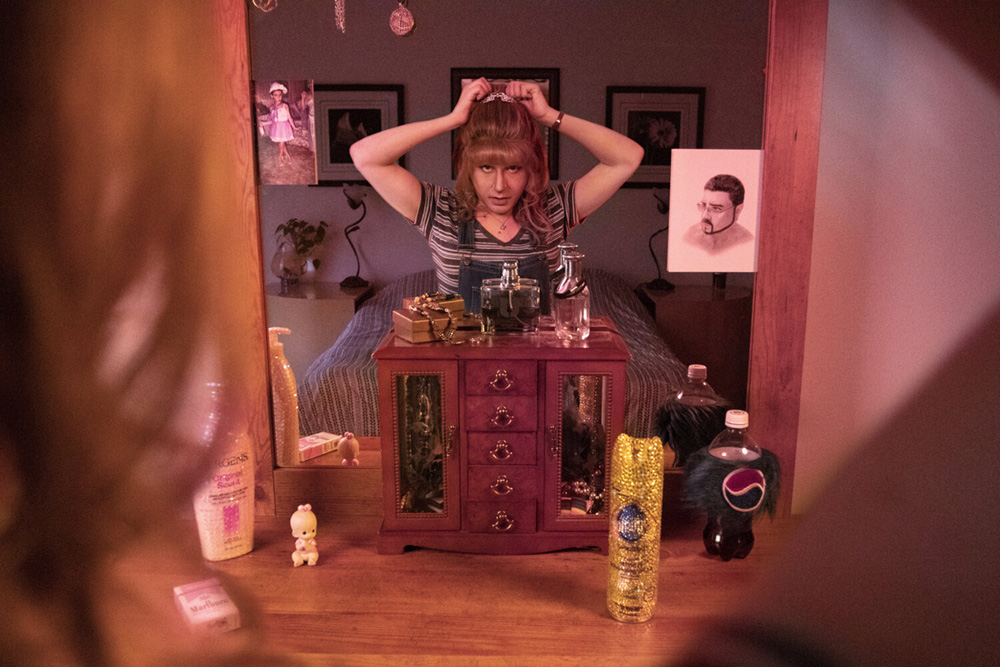
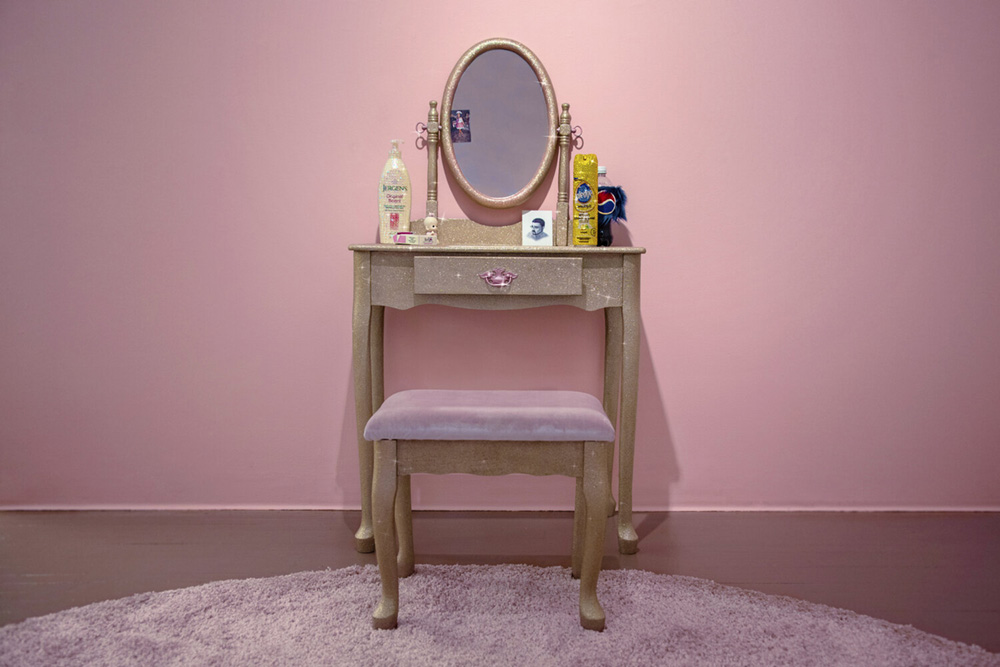
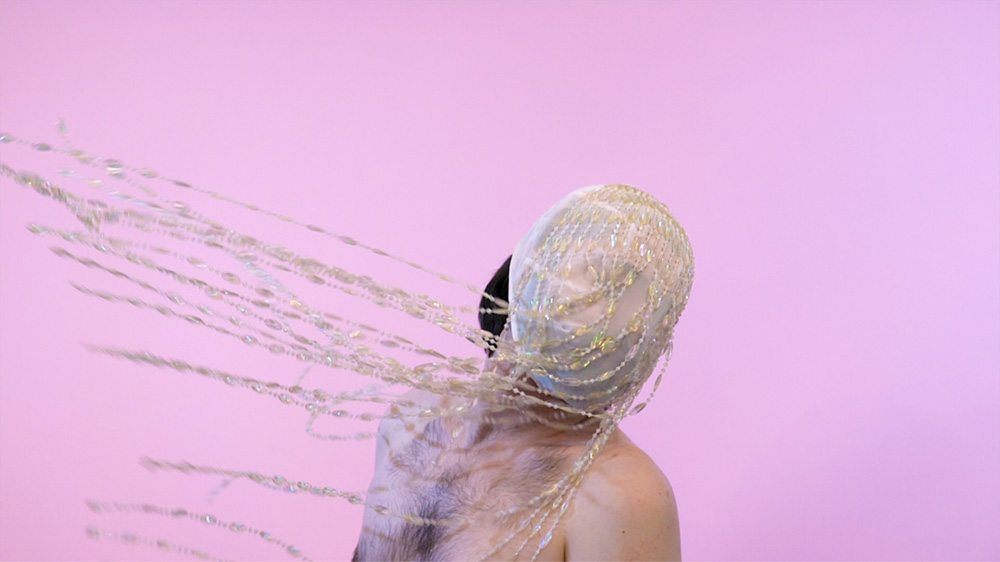
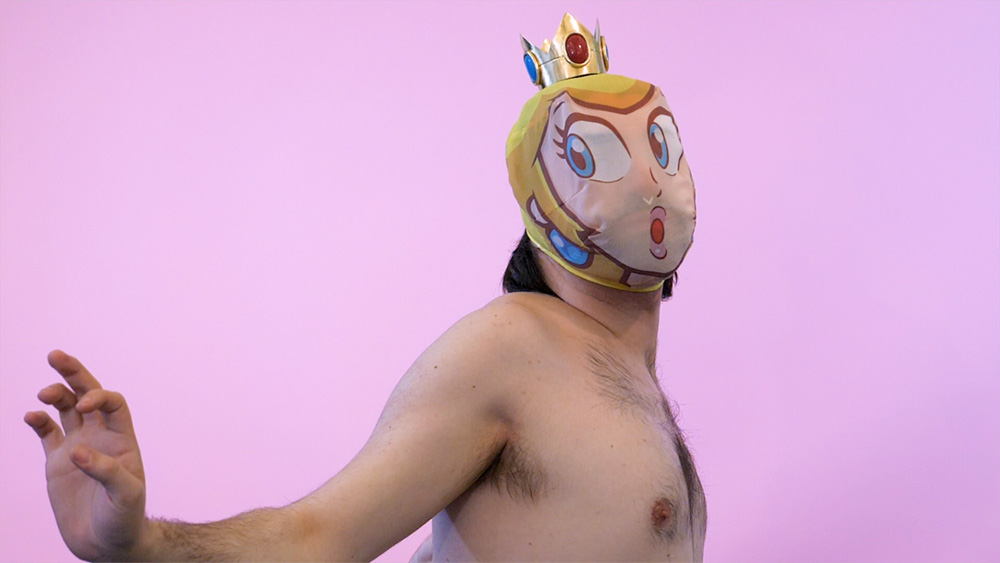
My work celebrates my desires and iconographies from early childhood. Love letters to my mother, pop culture icons, queer night life and the magic of movies. A deployment of these personal and pop symbols is actually a deployment of the self. Blending video, photography, performance and installation practices, I queer surfaces by drenching them in candy-coded colors, fabrics, and textures: shades of pink, crystals, sequins, glitter, vinyl and fur. The act of queering re-contextualizes them through a fantasy feminine outside the reality of their source material. As a survival strategy for the fear and shame I felt as a queer adolescent, I followed models of femininity outside of myself until I could find security in my own.
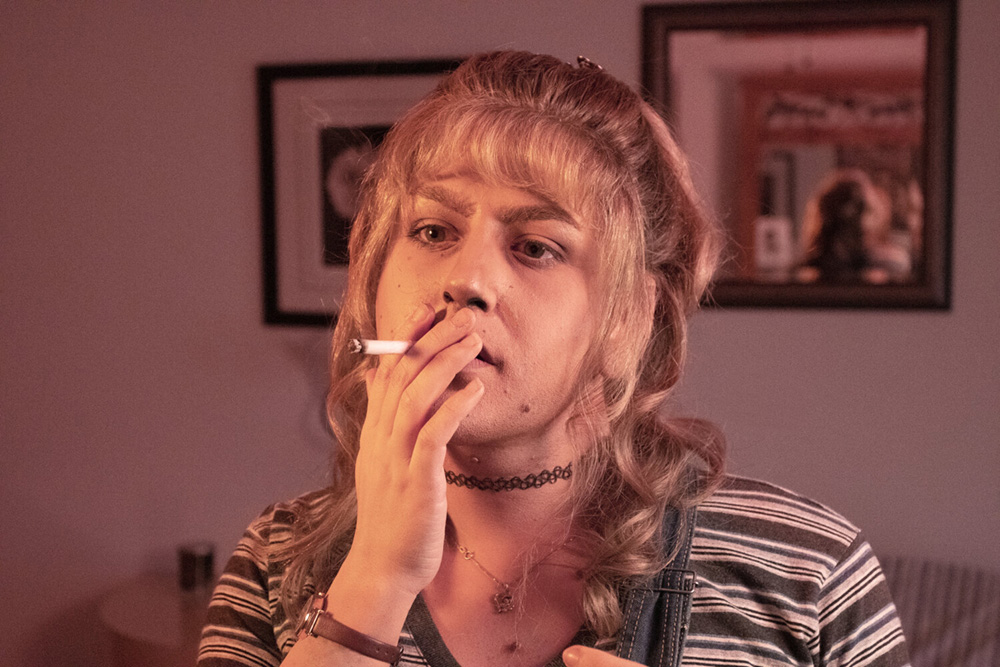
My self-portraits act as a political memoir, seducing the viewer into visceral confrontations with my queer body. By paying homage to my queer influences through their symbols, I reclaim a feminine identity that I was deprived of in a traditional male constructed childhood— whereby I become my most authentic self by taking on the roles and characteristics of others.